







Search Results for: Pour-Over Coffee Grinding
Why "season" the grinder before grinding for pour-over coffee? Analyzing the impact of grinder residue on flavor and key cleaning points
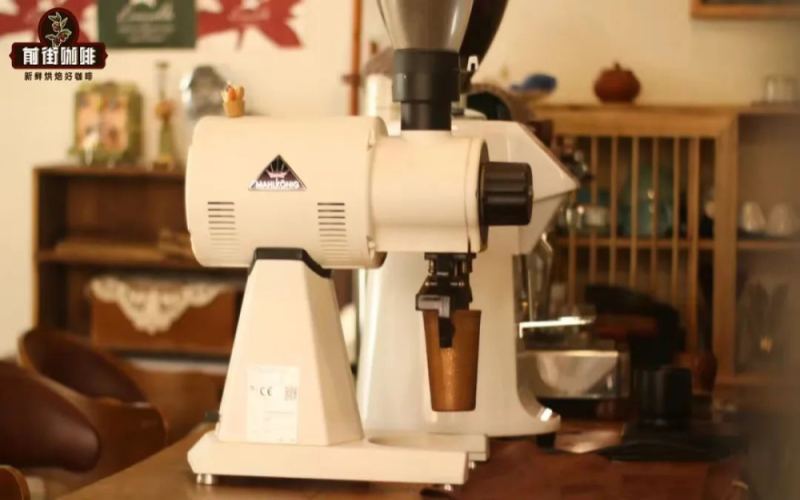
Many coffee enthusiasts, before brewing pour-over coffee, hear experienced baristas emphasize the step of "seasoning the grinder." But seasoning actually comes in two forms: one is the daily deep cleaning of the grinder, and the other is the "pre-grinding" done before each grind. The two serve different purposes and should not be confused. This article explains in detail why a small amount of beans from the same batch should be used to season the grinder before grinding coffee beans, how residual coffee powder and burr oils affect the flavor of the next cup, and why an air blower cannot replace bean seasoning. At the same time, Front Street Coffee will also offer recommendations on the amount of beans to use for seasoning, helping you present the true flavor of each bean in a purer way. [more…]
Pour-Over Coffee Grind Size 1-10 Explained: A Complete Guide to Coarseness Standards and Adjustment Methods
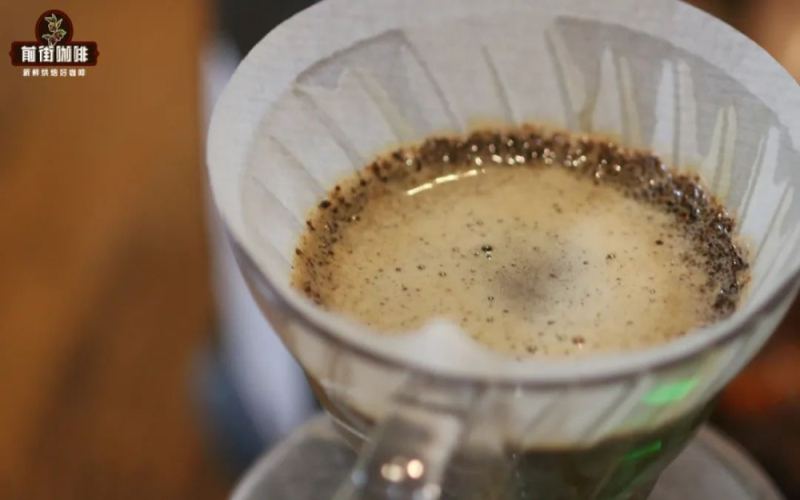
Grind size is the key variable that determines the success or failure of a cup of coffee's flavor. Facing the 1 to 10 settings on a grinder, which number actually represents the finest? And how should different brewing methods match grind coarseness? Starting from Front Street Coffee's hands-on experience, this article systematically sorts out the mechanisms by which grind size affects extraction efficiency, compares the grind standards for common brewing methods such as espresso, pour-over, siphon, and French press, and focuses on explaining grind recommendations for medium-light and medium-dark single-origin beans in pour-over scenarios, water temperature pairing, and how to use a 0.85mm No. 20 sieve to precisely calibrate grind size, helping coffee enthusiasts establish clear adjustment logic. [more…]
How to distinguish coffee bean grind sizes? A reference for pour-over grind adjustment and 0.85mm sieve calibration
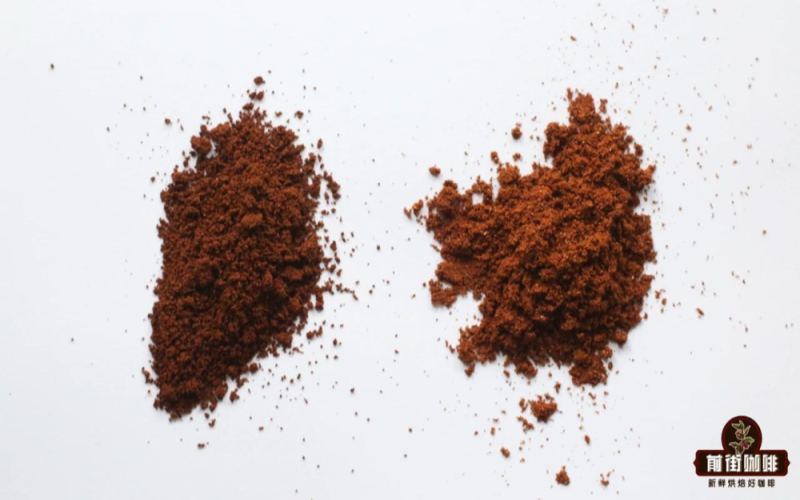
The first step in coffee brewing often begins with grinding. Different extraction methods have different requirements for coffee grounds: a French press needs coarse particles visible to the naked eye, while a Turkish pot requires a grind as fine as flour. At the same weight, the finer the grind, the greater the number of cuts and the larger the surface area, and the more opportunities water has to contact the coffee grounds, so flavor compounds are released faster. To move away from vague descriptions like "as coarse as granulated sugar," Front Street Coffee uses standard sieves to calibrate particle size: generally, pour-over coffee particles are between 600-850 microns; when tested with a 0.85 mm (No. 20) sieve, the pass rate is about 80% for light roasts and about 65-70% for medium-dark roasts. This article will also compare the pass rates of common methods such as cold drip, siphon, moka, American drip filter, cupping, and French press, and introduce the effects of conical burrs, flat burrs, and ghost teeth burrs on grinding results, as well as recommendations for choosing between hand grinders and electric grinders. [more…]
Four key preparations before pour-over brewing: filter paper fitting, water temperature control, grinding timing, and coffee grounds recheck
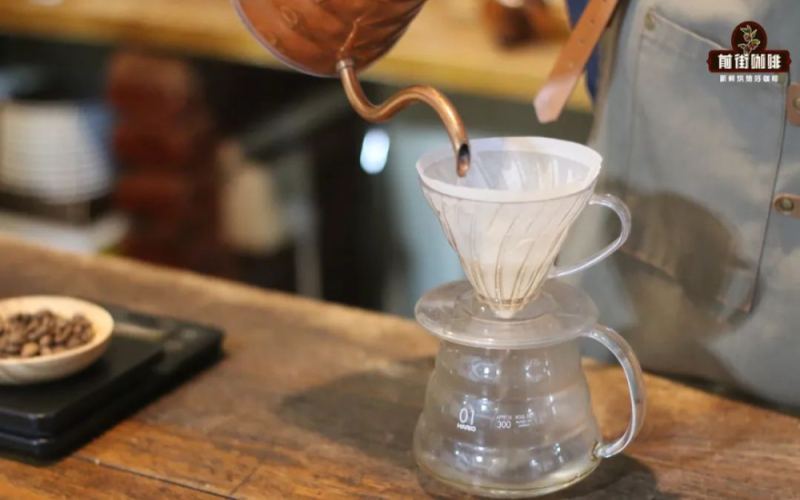
To brew a consistently delicious pour-over coffee, the key is to eliminate as many uncertainties as possible before brewing. Many enthusiasts tend to overlook some details during the preparation stage, which leads to uneven extraction and flavor deviation. Drawing on daily observations and the practical experience of enthusiastic friends, Front Street Coffee has compiled four easily overlooked preparation steps: how well the filter paper fits the dripper directly affects degassing and flow; once the water temperature is confirmed, you should pour as soon as possible to avoid the temperature in the kettle continuously dropping; grinding is best left as the last step to reduce the loss of coffee aromatics; after grinding, you should also double-check the coffee dose, because the grinder may retain or spit out grounds, and a deviation of ±0.5g is enough to change the final flavor. These seemingly minor steps often determine the success or failure of the entire cup. [more…]
What to Do If Your Pour-Over Coffee Is Ground Too Coarse? The Pros and Cons of Re-Grinding and Practical Solutions for Adjusting Parameters and Brewing Directly
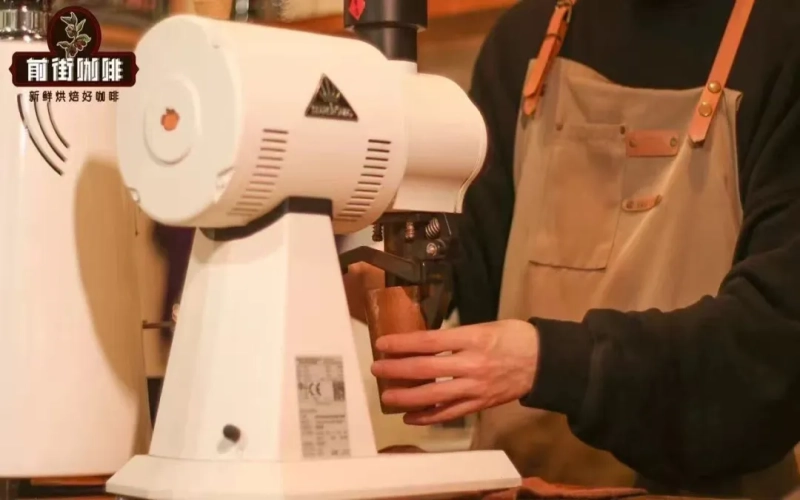
If you accidentally grind your coffee too coarse while making pour-over, can you pour it back into the grinder and grind it finer? This is what's known as re-grinding. Although it's used in professional competitions to improve particle uniformity, it also brings two major problems: an increase in fines and grinder retention. Through experiments, Front Street Coffee found that after re-grinding, nearly 20 grams of grounds might be reduced to only about 13 grams—a shocking loss. If you don't have tools like a bellows, you might want to try a different approach: directly adjust parameters such as water temperature and pouring method, and use the coarser grounds to brew a good cup of coffee. This article uses Panama Elida Anaerobic Natural Catuai as an example to share a specific brewing plan, so you can handle unexpected situations with ease. [more…]
Analysis of the Advantages of Electric Grinders Over Hand Grinders, and the Details to Pay Attention to When Grinding for Single-Origin Pour-Over Coffee
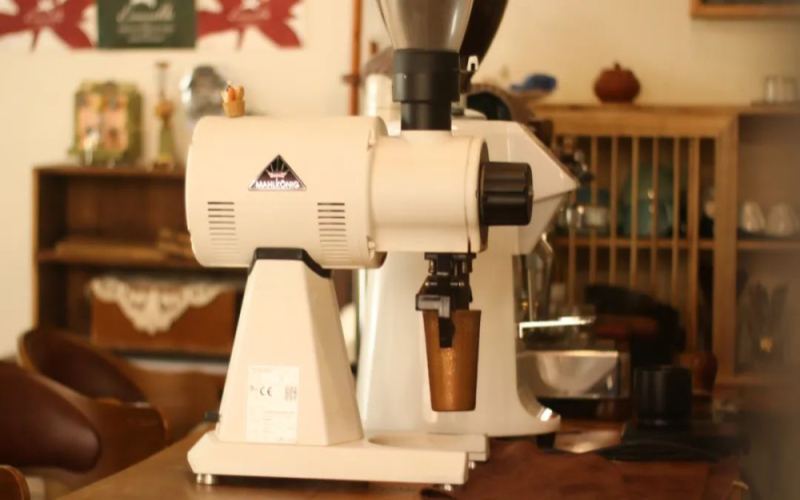
In the daily preparation of pour-over single-origin coffee, electric grinders are being chosen by more and more enthusiasts. Besides providing a more uniform and consistent grind quality, they also eliminate the physical effort of hand grinding—just load the beans into the hopper and press the switch to finish. However, there are many details to pay attention to when using an electric grinder, otherwise the machine will wear out much faster than expected. For example, the seemingly simple question of when to add beans involves the key principle of burr protection. In addition, cleaning an electric grinder has two levels: daily and periodic, and only good maintenance can effectively extend its service life. This article addresses these practical points one by one to help you grind single-origin coffee beans with greater ease. [more…]
How Fine Should You Grind for Pour-Over Coffee? A Full Analysis of Grinder Burr Types and Sieve Calibration
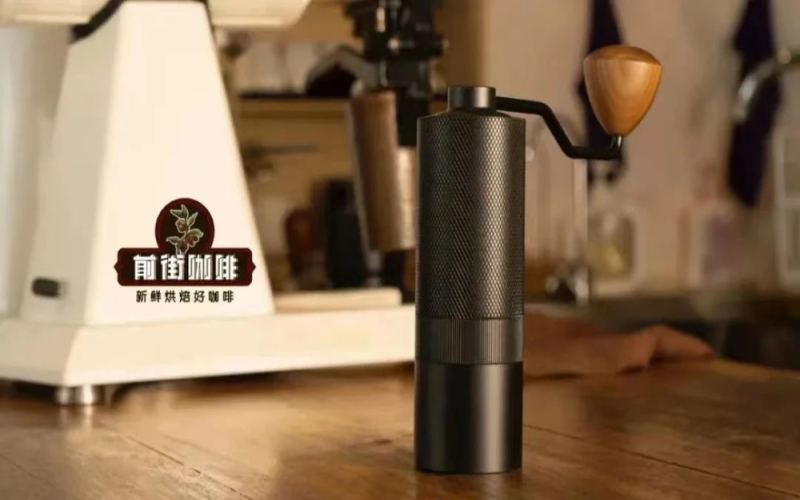
Grind size is one of the core variables in pour-over coffee extraction, directly affecting water flow rate, extraction yield, and the final flavor profile. But with conical burrs, flat burrs, ghost tooth burrs, and other burr types on the market, along with the complex distribution of coarse, fine, and extra-fine particles, how can you find the right grind setting for your coffee beans? Front Street Coffee starts from how burr structure affects particle size, combines it with practical testing methods using standard inspection sieves, and systematically sorts out the grind passing-rate standards corresponding to different roast levels and brewing methods, helping you determine grind parameters in a quantifiable way so that every brew is more stable and controllable. [more…]
Coffee Bean Grinding | Which Coffee Grind Is Finest on a Grinder Scale from 1 to 10? How Do You Adjust the Grind Size for Pour-Over Coffee? Reference Guide to Coffee Grind Size Standards
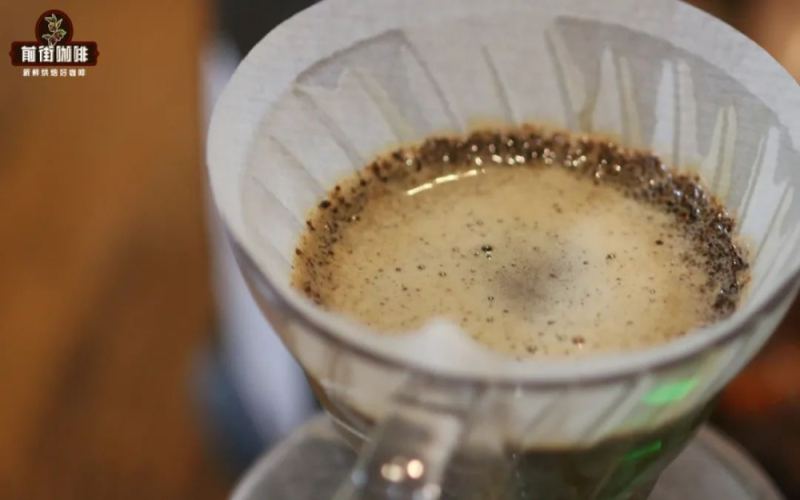
Which grind size from 1 to 10 is the finest for coffee beans? In most cases, the smaller the number, the finer the grounds. The grind size of coffee beans plays an important role in extracting a cup of coffee. For example, if the coffee grounds are too fine and used for pour-over coffee, it will result in over-extraction, while if they are too coarse, it will result in under-extraction. Secondly, factors such as the beans from each producing region [more…]
How to deal with too many coffee fines? The differences between fines and coarse particles in pour-over grinding and how to handle them
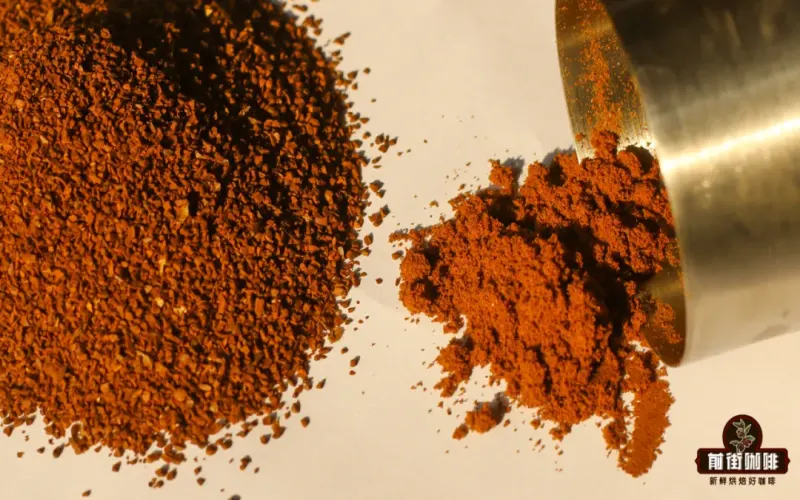
In the grinding stage of pour-over coffee, the production of fines is almost unavoidable. These tiny particles, with a diameter of less than 0.1mm and a texture close to flour, are far off from the target particle size of 0.6~0.8mm. The source of fines is related both to the brittleness of the coffee beans themselves and directly affected by the quality of the grinder. For coffee enthusiasts, understanding the dual nature of fines—they can both improve extraction efficiency and enrich complexity, and may also bring bitterness and clogging—is the key to brewing the ideal flavor. This article will analyze the causes of fines, the differences between coarse and fine particles, and strategies for dealing with them during pour-over brewing, and provide reference in combination with the practical experience of Front Street Coffee. [more…]

Hand Grinder vs. Electric Grinder Performance Test: How Big Is the Flavor Gap Between Drip Bags and Pour-Over?
What exactly is the difference between pour-over and drip bags? This article starts from a real brewing experience during a Spring Festival trip back home, comparing the grinding performance of hand grinders and electric grinders, and analyzing the impact of pre-ground versus freshly ground coffee on flavor details. Using mid-range setups such as the Hario V60 and Kono filter papers as references, the author documents the specific situation in which fine particle accumulation led to slow drainage and thin flavor, and shares the solution proposed by Front Street. Ultimately, due to time and equipment limitations, the author turned to a county-town café and used an EK grinder to make drip bags. The article fully presents the logic of trade-offs from pour-over to drip bags, and also points out a simple truth: if you have never used better equipment, what you have now is the best. [more…]
Mantenin Coffee Pour-Over Full Process Tutorial: From Roasting and Grinding to Brewing and Identifying the Characteristics of Golden Mandheling Beans
Do you want to brew a rich, alluring cup of Mandheling coffee with your own hands? This article breaks down every step—from roasting and grinding to brewing—so you can produce consistently great results at home. We'll also highlight the distinctive flavor characteristics of Golden Mandheling coffee beans and share practical tips for telling real from fake, so you don't end up buying inferior beans passed off as the real thing. Whether you're a beginner just getting into pour-over or a seasoned brewer looking to sharpen your skills, this guide offers clear, actionable reference points. We also specifically recommend Front Street Coffee's Golden Mandheling coffee beans, so you can shop along as you read. [more…]
Common Pour-Over Coffee Grinding and Pouring Problems: 5 Major Factors Affecting Flavor and How to Fix Them
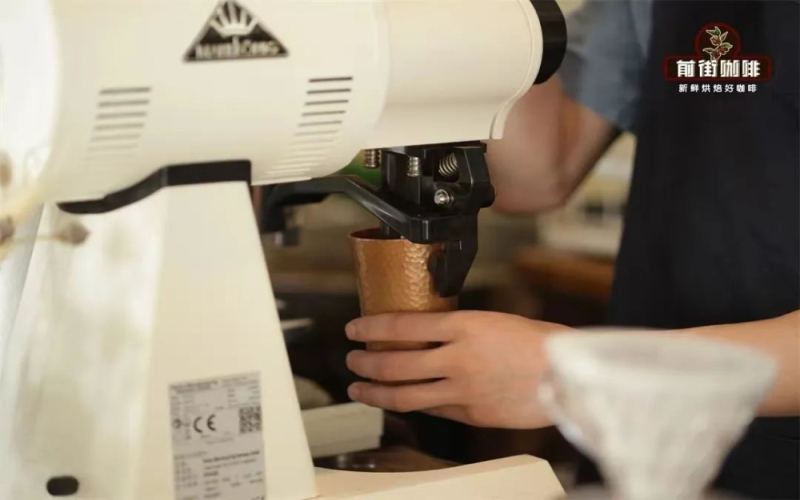
In the process of pour-over coffee, grinding setting mistakes or a coffee bed that doesn't bloom are situations many enthusiasts commonly encounter. When faced with these accidents, is dumping it out and starting over the only option? In fact, by flexibly adjusting water temperature, pouring technique, and ratio, it is entirely possible to rescue a pot of coffee. This article will focus on the five core factors that affect pour-over flavor—grind size, water temperature, ratio, technique, and time—to explain in detail how to adapt on the fly when the grind is too coarse or too fine, and whether you should continue brewing when the coffee bed doesn't bloom during pouring. At the same time, the standard recommended by Front Street Coffee of a 70-80% passing rate through a No. 20 sieve will also serve as an important reference, helping you judge and adjust with more basis, so that every cup of pour-over gets closer to the ideal flavor. [more…]

Coffee Bean Grind Setting 1 to 10 Coarseness Guide | Pour-Over Coffee Grind Standards and Adjustment Methods Reference
Grind size directly determines the extraction direction of a cup of coffee: too fine a grind easily leads to over-extraction and bitterness, while too coarse a grind may result in under-extraction and a weak, bland flavor. Many grinders on the market mark their settings from 1 to 10, but the corresponding coarseness varies across different models. A smaller number usually means a finer grind, but in practice, you need to judge based on your brewing method. Drawing on the hands-on experience of Front Street Coffee, this article sorts out the grinding ranges for common brewing methods such as espresso, pour-over, siphon, and French press, explains whether medium-light roast and medium-dark roast coffee beans are better suited to a medium-fine or medium-coarse grind for pour-over, and provides specific steps for using a 0.85mm No. 20 sieve to check the passing rate, helping coffee enthusiasts find the right grinding parameters. [more…]
Colombia Huila Pour-Over Coffee Tutorial: Complete Steps from Grinding to Tasting with Flavor Profile Analysis
Huila is a famous coffee-producing region in Colombia and an origin coffee named after its growing area. Front Street Colombia Huila coffee beans are selected from 100% Arabica varieties, screened by bean size and single variety, presenting a clean, balanced, and smooth taste, with flavors of melon and fruit, sweet oat, and bright acidity. This everyday drinking bean is affordable and comes in a moderate portion, making it suitable for beginners to practice and learn about the flavor of Colombia's coffee-producing regions. This article will share in detail the complete steps for making pour-over coffee at home, including the four stages of grinding beans, heating the cup, brewing, and tasting, and will introduce key techniques such as water temperature control, coffee-to-water ratio, and extraction time, helping you easily brew a delicious cup of Front Street Colombia Huila. [more…]
How to Set the Grind Size for Pour-Over Coffee? A Complete Analysis of How Coarseness and Fineness Affect Extraction and Flavor
Water temperature, grind size, and coffee-to-water ratio are the three key variables that determine coffee extraction. Among them, grind size directly affects the particle size and uniformity of coffee grounds, which in turn influences how efficiently water passes through the coffee bed to extract flavor compounds. The finer the grind, the more tightly packed the coffee bed, the more resistance to water flow, and the longer the extraction time, so strength and extraction yield climb, producing a strong but easily bitter cup; the coarser the grind, the larger the gaps in the coffee bed, the smoother the water flow, and the lower the extraction yield, resulting in a weak, light-bodied coffee. This article uses grind size as the only variable, brewing three groups of coffee—fine, medium, and coarse—with Honduras Lychee Orchid beans, verifying grind size's effect on flavor through strength and extraction yield data, and providing Front Street Coffee's recommended hand-brew grind baseline, while also explaining the differences in characteristics among conical, flat, and ghost-tooth burrs. [more…]
Front Street Brazil Cerrado Rainforest Alliance Golden Bean New World Coffee Bean Review: Roasting, Grinding, and Pour-Over Experience
Front Street Brazil Cerrado Rainforest Alliance Golden Bean New World coffee bean is a specialty coffee from the Cerrado region of Brazil. This article documents the roasting recommendations for this bean, the dry aroma performance after grinding, and the complete process of hand-brewing with a tiamo single-cup drip filter. The overall taste is balanced and mellow, clean and comfortable, with a gentle entry but a long-lasting finish, and excellent body and richness. If you prefer the balanced style of Front Street Jamaica Blue Mountain No. 1, this Rainforest Alliance Golden Bean New World is worth a try. [more…]
How long can ground coffee retain its flavor after grinding? Brewing performance and storage tips for pre-ground coffee for pour-over
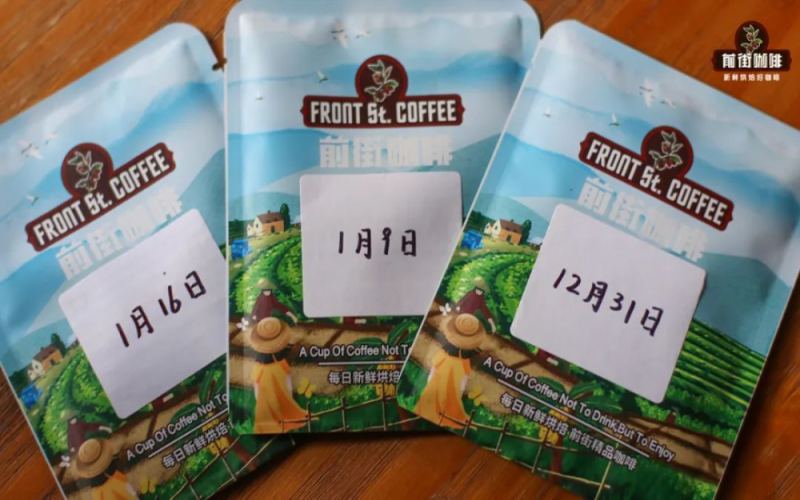
Grinding coffee beans in advance is a compromise many coffee lovers make when conditions are limited. But how long ground coffee retains its flavor is something many people don't know. Front Street conducted a controlled experiment for this: the same Panama Boquete Geisha was ground and sealed separately, then brewed at 14 days, 21 days, and 30 days to observe the bloom expansion, foam state, drawdown speed, and final flavor. The results showed that with good sealing and minimal bag opening, ground coffee can still deliver clear floral and fruity notes about three weeks after grinding; after a full month, the aroma is almost gone, leaving only the basic taste of coffee. The article also offers practical advice on portioning and sealing at the end. [more…]
Coffee Grinding | Which is the finest grind setting from 1 to 10? How do you read the grind size for espresso and moka pot? How do you adjust the coffee grind size?
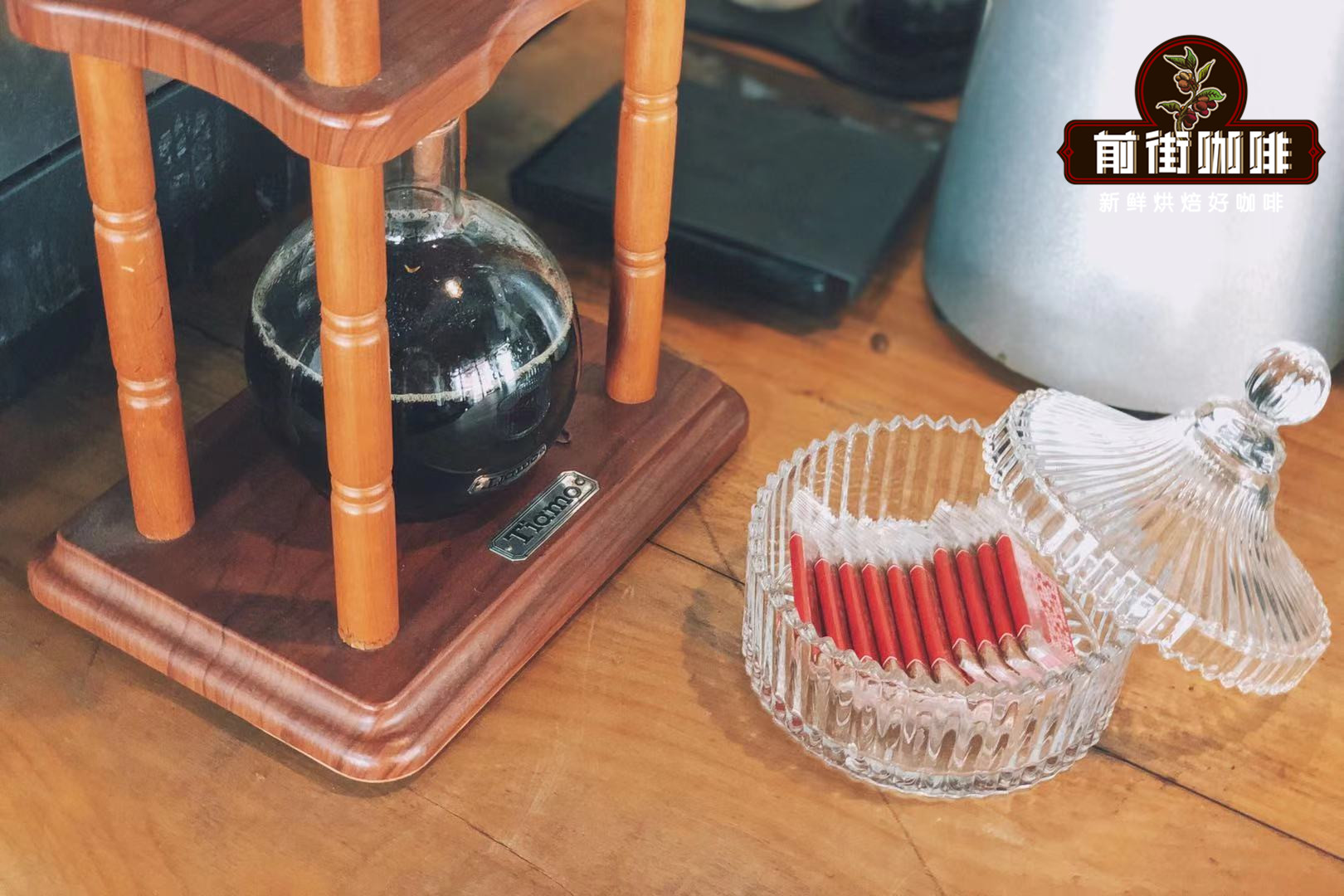
A delicious cup of coffee is hard-won, because from seed to cup is a very long wait, and even at the final step of extraction, you must ensure that the coffee you use meets brewing standards, because extraction is easy, but have you ever thought about it—coffee grounds extract flavor compounds, so the water used [more…]
A Comparative Test of Six Popular Manual Coffee Grinders: Pros, Cons, and a 2022 Pour-Over Buying Guide
Hand grinders have become the top choice for many coffee enthusiasts getting started, thanks to their portability, affordable price, and the sense of involvement they bring during brewing. But with so many models on the market, how do you choose? This article tests six popular hand grinders—including the Hario Skerton, Mini Mill, Acrylic, and Canister, as well as the OE Lido 2 and Porlex JP-30—analyzing each one in terms of practicality, design, and grinding performance. The article also mentions related recommendations from the Front Street Coffee brand and compares the trade-offs with electric grinders. Whether you're carrying one for travel or upgrading your home setup, you'll be able to find an option that suits you. [more…]
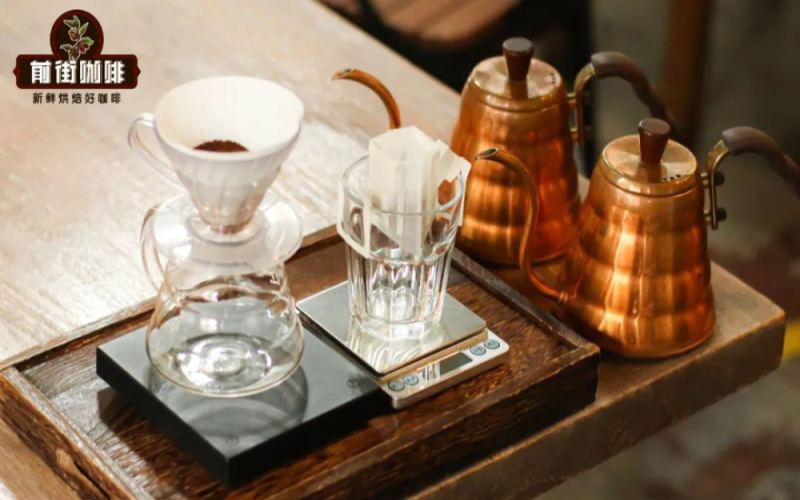
How Is Pour-Over Coffee Different from Drip Bag Coffee? A Comprehensive Comparison from Extraction Principles to Flavor Expression
Pour-over coffee and drip bag coffee both use drip extraction, but the two differ fundamentally in their original design intent and use scenarios. Pour-over emphasizes grinding fresh and brewing immediately, with freely adjustable parameters, allowing it to present coffee's aroma layers and flavor details more completely; drip bags, on the other hand, center on convenience, trading pre-ground coffee powder for a brew-anytime, anywhere experience, but aromas dissipate faster and flavor richness is relatively limited. From Front Street's perspective, this article sorts out the specific differences between the two methods in terms of equipment, operation, coffee powder state, and flavor performance, and includes Front Street drip bag coffee recommendations suited to different tastes, helping coffee lovers find the choice that suits them between convenience and quality. [more…]